Best Trainers for Walking 2026: 5 Picks for Daily Comfort
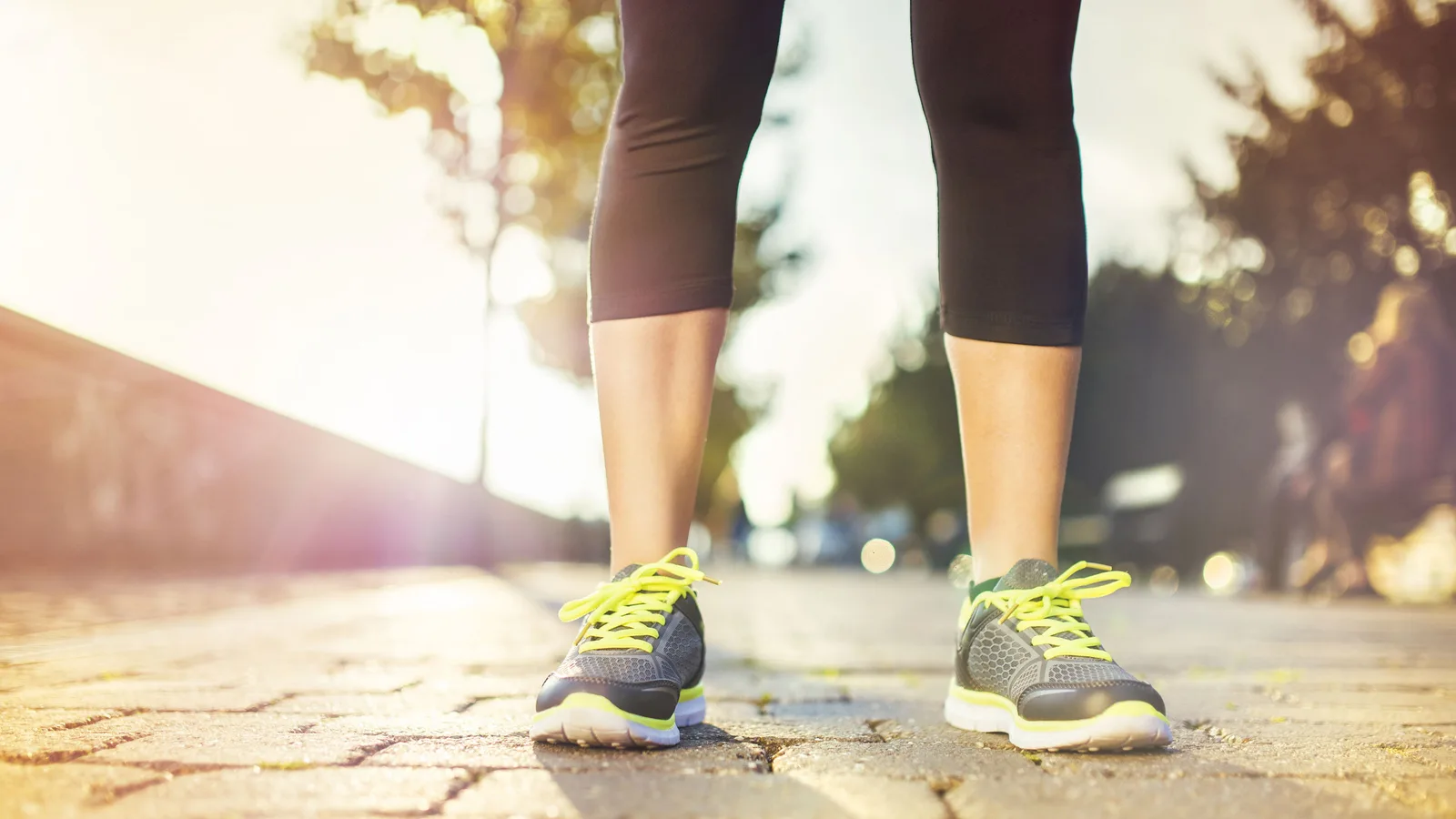
We compare five comfortable walking trainers for UK pavements, park paths and all-day wear, from plush max-cushion soles to lighter, affordable pairs.
The quick answer: which walking trainer suits you?
If you want the plushest ride for long days on your feet, start with the Hoka Bondi 9. If you want one pair that handles the school run, the high street and a weekend park loop without feeling like a running shoe, the Brooks Ghost 17 is the safest all-rounder. Choose the ASICS Gel-Nimbus 27 for long, steady pavement walks, the New Balance Fresh Foam X 1080v14 for a softer, more flexible feel, and the Skechers GO WALK 7 for light errands and travel.
How the five compare
| Trainer | Best for | Cushioning | Underfoot feel | Best surface |
|---|---|---|---|---|
| Hoka Bondi 9 | Long days on hard pavements | Maximum | Plush and rockered | Pavements and park paths |
| Brooks Ghost 17 | One pair for most walks | Balanced | Soft but lively | Everyday pavements and paths |
| ASICS Gel-Nimbus 27 | Long, slow pavement walks | High | Deeply cushioned | Road and pavement |
| New Balance 1080v14 | Soft landings and long days | High | Soft and flexible | Pavement and treadmill |
| Skechers GO WALK 7 | Light errands and travel | Light | Flexible and light | Short walks and shops |
All five are neutral trainers, so they are aimed at walkers who do not need extra stability support. None is waterproof, and none is a trail shoe: for muddy footpaths, wet grass or uneven woodland, a walking shoe or boot with a deeper tread is the better tool. For pavement, park paths and shopping trips, these are the right sort of shape.
The 5 best trainers for walking
These picks are chosen for different walking habits rather than a single winner. Think about the surface you walk on most, how long you are usually on your feet, and whether you want a pair that looks at home with jeans as well as leggings.
Best overall for cushioning
Hoka Bondi 9
The Bondi is one of Hoka’s most cushioned everyday shoes, and that makes it a natural pick for walkers who spend hours on hard pavements or stand for much of the day. The thick midsole takes the sting out of concrete, while the rocker shape helps the foot roll from heel to toe rather than slapping down. It is a neutral shoe, so it suits most walkers without needing extra support, but the high stack takes some getting used to if you normally wear flatter trainers.
Strengths
- Plush cushioning under the whole foot
- Smooth heel-to-toe roll for long walks
- Stable enough for a max-cushion shoe
Weaknesses
- Bulky and tall compared with a standard trainer
- Overkill for short errands or travel
Best all-round daily trainer
Brooks Ghost 17
The Ghost is the pair to choose if you want one trainer for the school run, a supermarket trip and a weekend walk without feeling like you are wearing a running shoe. Its cushioning is balanced rather than bottomless, so you get comfort without a marshmallow feel, and the mesh upper is breathable enough for warm days. It is a neutral shoe with a secure heel and a roomy-enough forefoot for most average feet.
Strengths
- Versatile enough for daily wear
- A safe fit for many average feet
- Breathable upper for warmer days
Weaknesses
- Less plush than max-cushion options
- Sports styling limits smart-casual use
Best for long pavement walks
ASICS Gel-Nimbus 27
The Gel-Nimbus is ASICS’s plush neutral trainer, and it is aimed at walkers and runners who want a soft landing mile after mile. The midsole feels deep and forgiving on hard surfaces, making it a good match for long, steady walks rather than quick errands. The upper is padded around the heel and tongue, which adds to the comfortable, cocooning feel, though it can feel warmer than a thin mesh trainer on a hot day.
Strengths
- Deep cushioning for long walks
- Padded, comfortable upper
- Neutral ride suits most walkers
Weaknesses
- Soft ride can feel vague on uneven ground
- Not the lightest option
Best soft, roomy feel
New Balance Fresh Foam X 1080v14
The 1080 is New Balance’s premium neutral cushioning shoe, with a soft Fresh Foam X midsole and a knit-style upper that wraps the foot without feeling tight. It works well for walkers who want a softer, more flexible feel than the Bondi and who spend long days on their feet. The trade-off is that very soft shoes can feel less stable on gravel or cambered pavements, so keep it for smooth surfaces.
Strengths
- Soft, flexible cushioning
- Accommodating upper for average to slightly wider feet
- Good for long days standing and walking
Weaknesses
- Less stable on rough or uneven ground
- Soft midsole can feel slow on fast walks
Best lightweight pair for errands
Skechers GO WALK 7
The GO WALK line is Skechers’ easy, lightweight walking shoe, and the 7 is the pair to reach for when you want something simple to slip on for the shops, the school gate or travel. It is far lighter and more flexible than the cushioned running shoes here, with a soft knit upper and a footbed that feels comfortable from the first wear. It is not built for long distances or rough ground, but it is the easiest pair to live with day to day.
Strengths
- Light and flexible
- Easy on and off
- Simple, affordable everyday option
Weaknesses
- Less structure and cushioning for all-day walks
- Not suited to rough paths or long distances
How to choose walking trainers
Start with the surface and the length of your walks. A trainer that feels great for 20 minutes on a smooth high street may feel thin after two hours on concrete. The main things to weigh up are:
- Cushioning: More foam suits long walks on hard pavements; a firmer, lower shoe can feel more stable for short trips.
- Fit: You want a thumb’s width at the toe, a secure heel and no pressure across the widest part of the foot.
- Upper: Breathable mesh is comfortable in warm weather, but it will not keep rain out.
- Stability: Most walkers do fine in a neutral trainer; choose stability only if you have been advised to.
- Weight: Lighter shoes are easier for errands and travel, while fuller cushioning usually adds bulk.
- Cushioning
- 5.0 / 5
- The longer you walk on hard pavements, the more this matters.
- Fit and width
- 5.0 / 5
- A poor fit will ruin an otherwise good trainer, so try them late in the day.
- Breathability
- 4.0 / 5
- Useful for warm days and busy commutes, but not a substitute for waterproofing.
- Stability
- 4.0 / 5
- A neutral shoe is enough for most walkers; extra support is a personal need.
- Versatility
- 4.5 / 5
- A pair that works with jeans and leggings earns its place by the door.
Making your walking trainers last
Walking trainers take a lot of punishment, especially in the UK where pavements stay damp for much of the year. Let them air dry naturally after a wet walk rather than putting them on a radiator, which can soften adhesives and distort the upper. Loosen the laces before pulling them off, and keep a second pair in rotation if you walk every day; alternating gives the foam time to recover and the upper time to dry.
Our verdict
Walking trainers: your questions answered
Are running trainers suitable for walking?
Often yes. Neutral running shoes provide cushioning and breathability that work well for pavement walking. Very soft, high-stack shoes can feel unstable if you have weak ankles, and walking-specific shoes usually flex more through the forefoot.
Should I go up a size in walking trainers?
Not automatically. Aim for about a thumb’s width between your longest toe and the end of the shoe, and try them at the end of the day when feet are slightly larger. If you are between sizes and wear thicker socks in winter, a half size up is the safer try.
How do I know when to replace my walking trainers?
Replace them when the midsole feels flat or compressed, the upper no longer holds your foot securely, or everyday walks start feeling harsher than they used to. Rotating two pairs can help them last longer.
Can I wear these trainers in wet weather?
These are mesh trainers, not waterproof shoes. Light rain is fine, but for sustained wet weather or puddles, a water-repellent walking shoe or boot will keep your feet drier and warmer.
What is the difference between neutral and stability trainers?
Neutral trainers let the foot move naturally and suit most walkers. Stability trainers add firmer support on the inner side of the shoe for people who overpronate; if you have been advised to use them, follow that advice rather than choosing a neutral pair for looks.