Dyson Airwrap Review 2026: Brilliant, But Not for Everyone
Our Dyson Airwrap review weighs up the multi-styler's airflow curls, attachments and price, and explains who it suits — and who should skip it.
What the Dyson Airwrap is — and our verdict
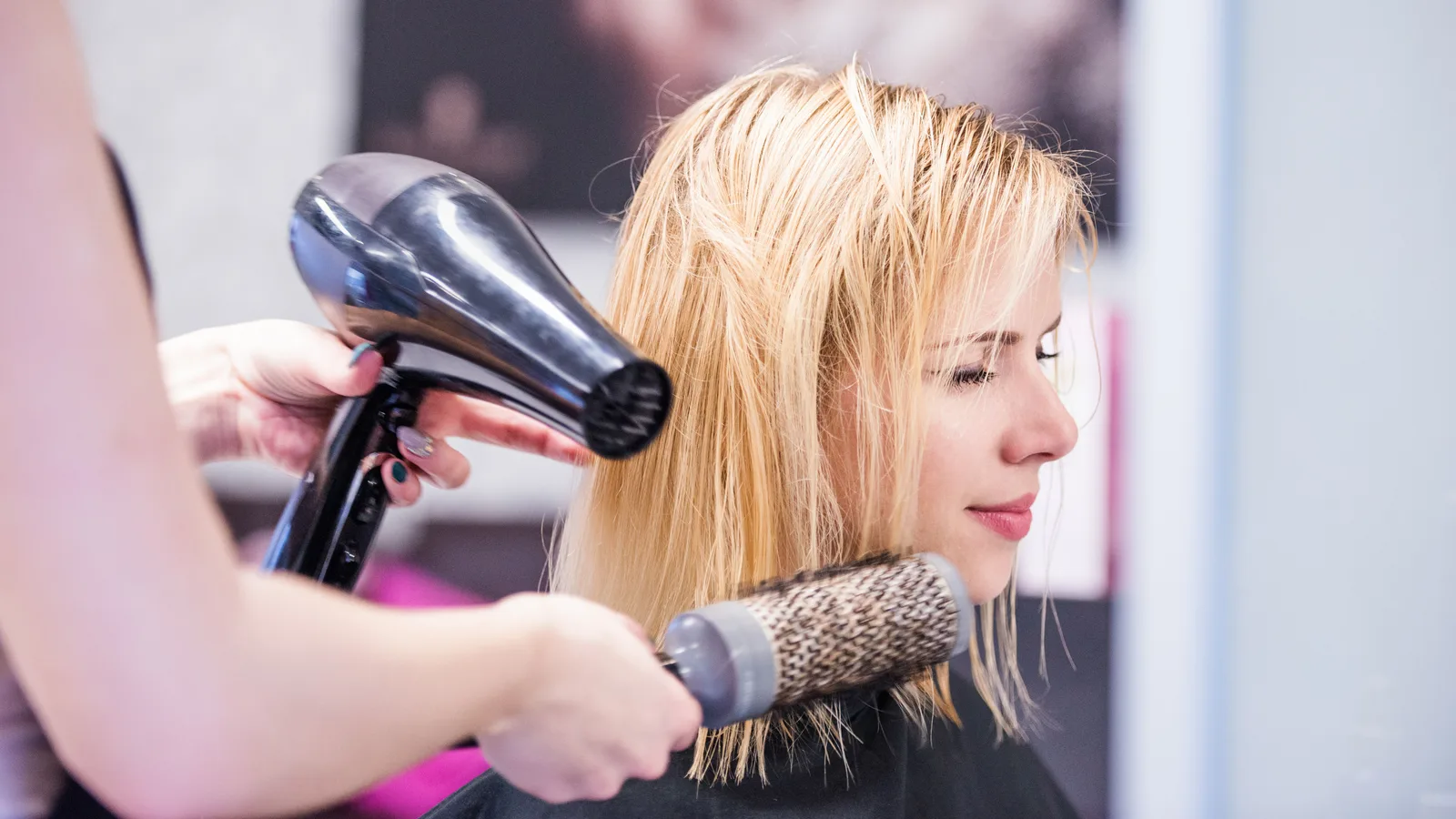
The Dyson Airwrap is a multi-styler, not a straight swap for your hairdryer. Instead of clamping hair between hot plates, it uses a fast, focused stream of air — Dyson calls it the Coanda effect — to draw a section of hair around a barrel and hold it there while it cools into shape. In practice that means you get bend, volume and wave without winding each section around a hot tong by hand.
It's aimed at people who style their hair most days and want one tool that rough-dries, smooths and waves. The trade-offs are real: it sits at the top of the styling market on price, it works best on damp hair rather than dry, and the finish it gives is soft and natural rather than sharply defined. If you want a tight, tonged curl, this isn't that tool.
How it works: airflow, damp hair and attachment sets
The trick is the airflow rather than the heat. You hold the barrel close to a section of hair, the air current catches it and wraps it around the barrel automatically, and a few seconds later you release a wave that has already cooled into shape. Because nothing is pressing hot plates against the hair, the result looks more like a blow-dry than a set curl.
The catch is the starting point. The Airwrap is designed to finish and shape hair that is already damp — roughly towel-dried, not dripping. That's why it works as part of a wash-and-style routine rather than as a quick touch-up tool on dry second-day hair.
What you actually get in the box varies a lot by model and edition. Barrels in different widths, smoothing and drying heads, and a case are common, but the exact mix isn't the same across the range, so check the contents before you buy rather than assuming the picture tells the whole story.
- Type
- Mains-powered multi-styler with interchangeable styling heads
- Core technology
- High-velocity airflow (the Coanda effect) that wraps hair around the barrel
- Starting point
- Damp hair — the airflow shapes and finishes rather than drying soaking wet hair
- Attachments
- Barrels in different widths plus smoothing and drying heads; the set depends on the model
- Power
- Corded — it is not a cordless tool
- Storage
- Most editions include a case; confirm what's in the box for the version you're buying
Strengths and weaknesses
What it does well
- Covers drying, smoothing and waving with one tool, so it earns its space on the shelf
- Curls form without you winding hair around a hot barrel by hand
- Gives soft, natural movement rather than stiff, uniform curls
- Uses airflow and moderate heat instead of hot plates in contact with the hair
- Swapping heads changes the look — wider barrels for loose waves, narrower for tighter bends
- Fast on the finishing stage once the hair is prepped and sectioned
Where it falls down
- Expensive next to a hairdryer and tongs, and the fuller editions cost more again
- A real learning curve — early attempts often look nothing like the demos
- Needs damp hair, so you can't touch up a dry style in two minutes
- Waves can drop on very long, heavy or very straight hair
- Bulky to pack and it needs a socket, so it's not a travel-friendly tool
- Loud, and the airflow takes a bit of getting used to
Most complaints about the Airwrap come down to expectations rather than faults. People buy it expecting a salon blow-dry in one pass, then find they need to rough-dry first, clip the hair up and work section by section. Once that becomes habit, the tool does what it promises. If you resent that routine, you'll resent the Airwrap.
How the Airwrap scores on what matters
- Curl and wave results
- 4.0 / 5
- Soft, bouncy movement that looks like a blow-dry. Not the place to look for tight, defined curls.
- Ease of use
- 3.5 / 5
- Simple once you've got it, frustrating for the first few goes. Sectioning is the skill, not the tool.
- Speed of the whole routine
- 3.0 / 5
- Quick on individual sections, but rough-drying and clipping up first adds time to the full process.
- Versatility
- 4.5 / 5
- Drying, smoothing, volumising and waving from one handle. This is the strongest argument for it.
- Gentleness on hair
- 4.0 / 5
- No hot plates gripping the hair, which suits people styling often. It still uses heat, so protection matters.
- Value for money
- 3.0 / 5
- The price is the sticking point. It only makes sense if you'll use the styling heads regularly.
Read the scores together rather than in isolation. Versatility and gentleness are what you're paying for; speed and value are where it gives ground. If your routine is already quick and you just want curls, a decent tong will do the job for a fraction of the outlay.
Airwrap vs a hairdryer and curling tongs
| What matters | Dyson Airwrap | Standard hairdryer | Curling tongs |
|---|---|---|---|
| Main job | Dries, smooths and waves in one | Dries and rough-styles | Curls and defines |
| Hair state it needs | Damp, roughly towel-dried | Wet through to damp | Completely dry |
| Technique | Airflow wraps the hair — hands-free | Nozzle plus brush work | Wind each section by hand |
| Typical finish | Soft, bouncy waves with movement | Smooth, blown-out volume | Tight, defined curl |
| Learning curve | Moderate — sectioning takes practice | Low, especially with a round brush | Low to moderate |
| Cost bracket | Premium | Mid | Low to mid |
Who should buy it, and who should skip it
Buy it if you're a regular styler. The people who get the most from the Airwrap are the ones who wash and style their hair several times a week and would otherwise reach for a dryer, a brush and a tong in the same sitting. Replacing three steps with one tool is where the money starts to look reasonable.
It also suits anyone trying to cut down on direct heat. There's no clamp, no plate and no barrel held against the hair for long stretches, which is why people who style daily tend to be drawn to it. If your hair is mid-length to long and holds a bend reasonably well, you're in the sweet spot.
Skip it if your hair is very short — barrels need length to wrap. Skip it too if you want a tight, long-lasting curl, because tongs still do definition better. And skip it if speed is the priority: a good hairdryer with a round brush will get you out of the door faster on a weekday morning.
One more group worth flagging: anyone who only styles occasionally. The Airwrap rewards repetition. If it comes out once a month, you'll spend most of each session relearning the technique.
Buying advice and a realistic styling routine
Choose by attachments, not by colourway. The sets differ mainly in which barrels and heads are included, so work out the look you actually want — loose waves, tighter bends, smooth volume — and check that the version you're buying includes the head that delivers it. A cheaper-looking set that's missing your barrel isn't a saving.
Buy from a retailer with a clear returns policy. This is a tool that divides people sharply, and a few weeks of use is the only reliable way to know which side of that line you're on. Keep the case and packaging until you're sure.
-
Start with damp, not dry, hair
Rough-dry or towel-dry until the hair is damp to the touch. The Airwrap shapes and finishes; it isn't at its best on soaking wet hair.
-
Smooth and prep before you wave
Use the smoothing or drying head first to get the hair roughly straight and tangle-free. Waves sit better on a smooth base.
-
Clip the hair up and work in sections
Sectioning is the step people skip and then blame the tool for. Take small, even sections so the airflow can wrap each one fully.
-
Let the air wrap the hair — don't twist it on
Hold the barrel near the ends and let the airflow do the work. Winding hair on by hand defeats the point and gives a messier result.
-
Set each section with cool air
A few seconds of cool shot before you release is what makes the wave hold. Skip it and the curl softens within the hour.
-
Finish with a light touch
Once everything is cool, break the waves up gently with your fingers. Brushing them out too early is what turns soft waves into frizz.
Dyson Airwrap: common questions
Can you use the Dyson Airwrap on dry hair?
It's designed around damp hair. On fully dry hair the airflow has less to work with, waves drop faster and you lose most of the advantage over a tong.
Do you have to hold your hair around the barrel?
No. The airflow draws the section around the barrel on its own. You guide the tool towards the ends and hold it in place while the hair wraps and cools.
Is the Airwrap damaging to hair?
It doesn't clamp hair between hot plates, which is the main reason frequent stylers are drawn to it. It still uses heat and airflow, so heat protection and sensible heat settings still apply.
Will it work on very short hair?
Barrels need some length to wrap. On a pixie or short crop the drying and smoothing heads are far more useful than the curling barrels.
Is one Airwrap model better than another?
The models differ mainly in the attachments included and the finish rather than in the styling method. Pick the set with the barrels you'll actually reach for.