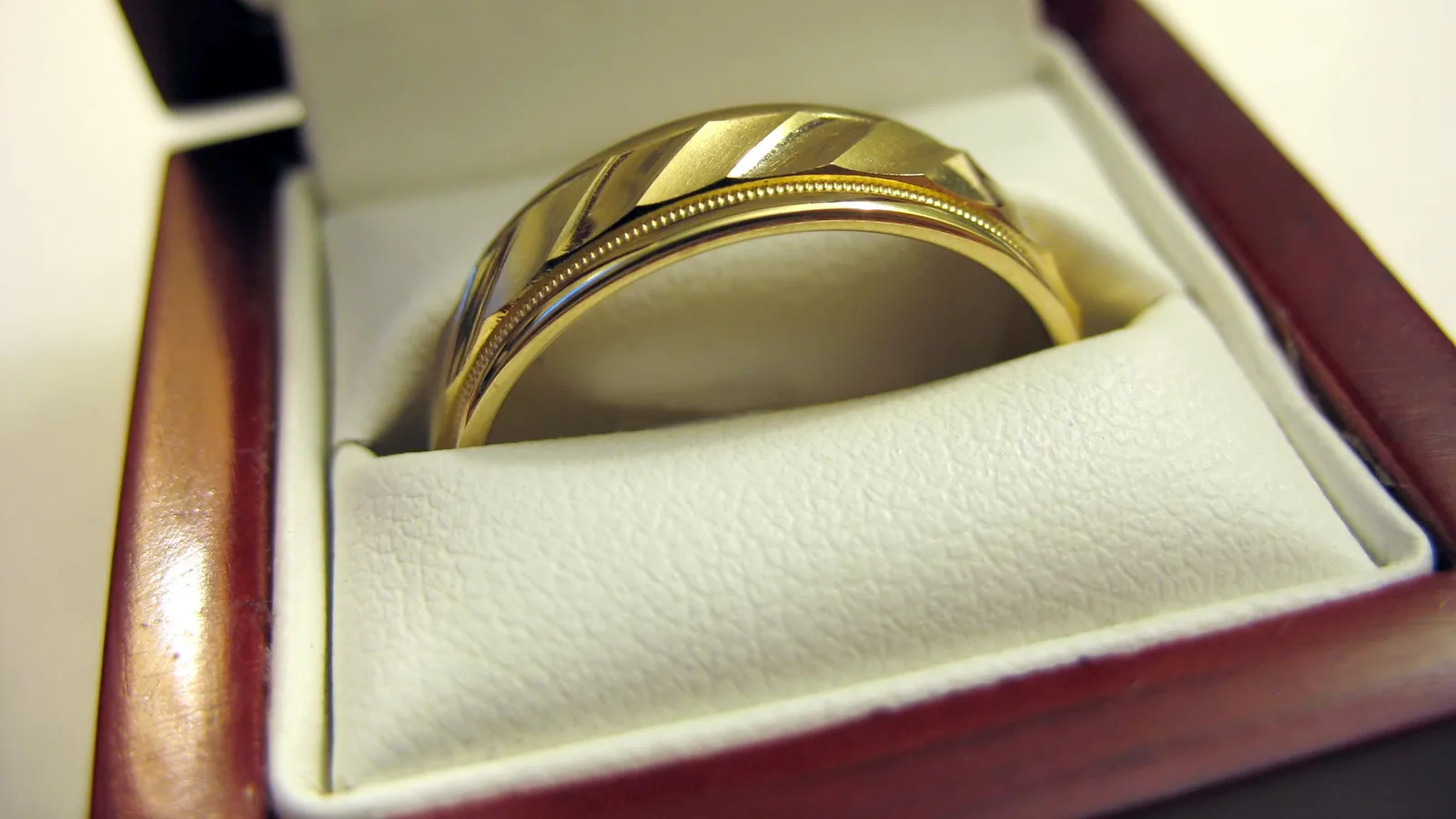
Gold vs Silver Jewellery 2026: Which Should You Choose?
Gold or silver jewellery? We compare cost, durability, tarnish, skin sensitivity and style, then name an overall winner for everyday wear.
Gold vs silver jewellery: the verdict first
The short version: gold is the better buy for anything you wear daily, because it does not tarnish and holds its shape. Silver is the better buy for earrings, layering chains and trend-led pieces, where the lower price matters more than a decade of wear. Everything below explains where each metal earns that reputation — and where it doesn't.
Gold vs silver jewellery at a glance
| What matters | gold | silver jewlery |
|---|---|---|
| Colour | Warm yellow as standard; white and rose gold are alloys | Cool bright white with a mirror shine when new |
| What you'll see on the hallmark | 375 (9ct), 585 (14ct), 750 (18ct), 916 (22ct) | 925 for sterling silver; plated and vermeil pieces are not solid |
| Upfront cost | Higher per gram, because you are paying for precious metal that holds value | Much lower for solid sterling; lowest of all for plated pieces |
| Hardness | 24ct is soft and scratches; 9ct and 14ct alloys are the hardest-wearing | Sterling is softer than gold alloys and dents in thin designs |
| Tarnish | Does not tarnish; white gold is rhodium-plated and needs re-plating eventually | Tarnishes with air, sweat, perfume and chlorine; needs regular polishing |
| Sensitive skin | Usually the safest choice; check white gold alloys if you react to nickel | Fine for most people, but some react to alloyed copper or to plated base metal |
| Where it shines | Daily rings, wedding bands, chains worn continuously, heirloom pieces | Earrings, layering chains, statement pieces, seasonal styles |
| Care | Warm soapy water and a soft cloth; store pieces separately | Silver polishing cloth plus an airtight bag or anti-tarnish strip |
| Value if you sell | Scrap value tracks the gold price and is often worth recovering | Modest melt value on solid silver; none on plated or vermeil |
Colour: warm gold versus cool silver
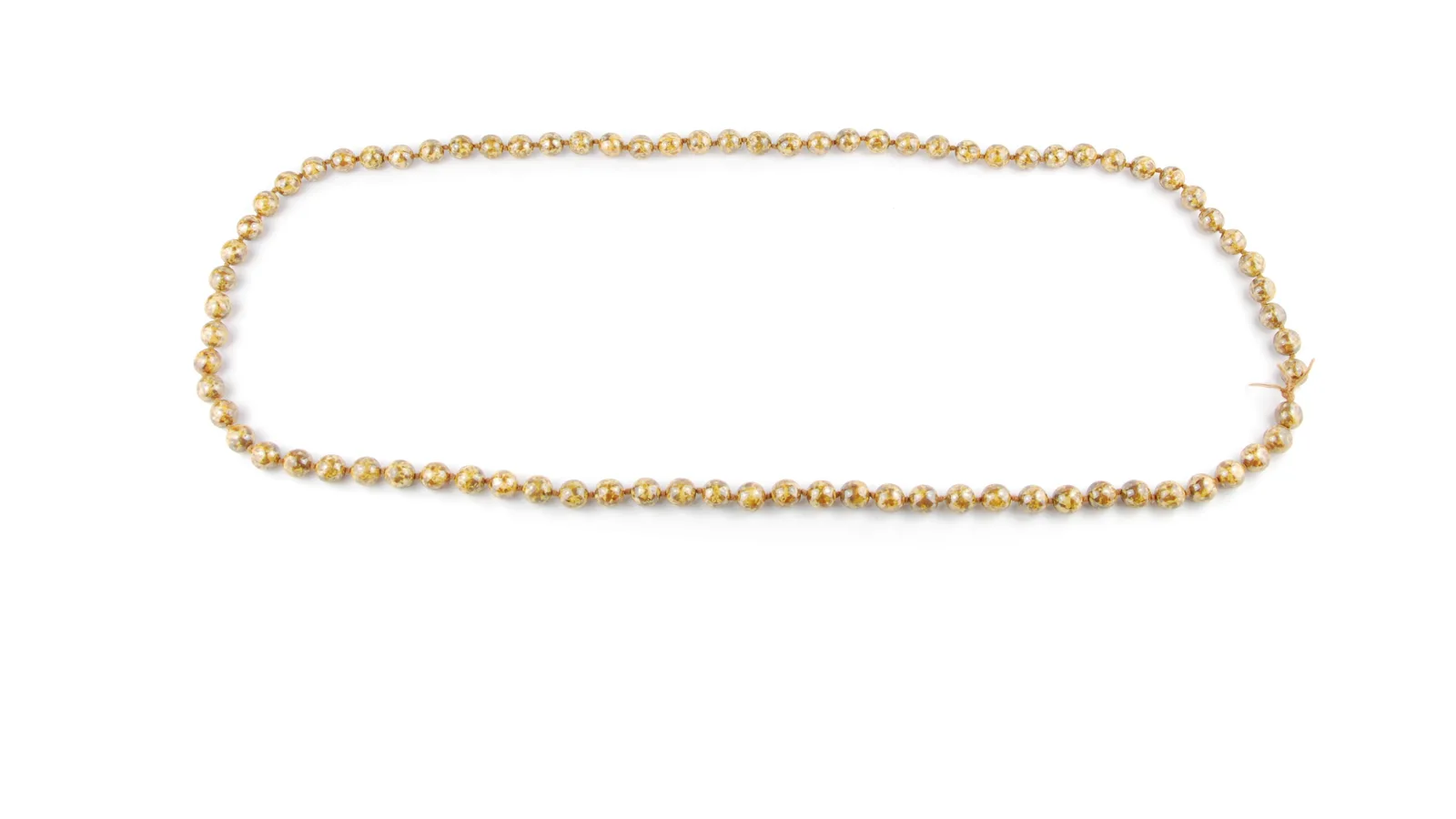
Yellow gold is the classic warm tone and the one most people picture when they hear the word. Rose gold gets its blush from copper in the alloy, so it reads warmer still. White gold is gold alloyed with white metals and then plated in rhodium — it looks close to silver but costs and behaves like gold.
The old rule that warm undertones suit gold and cool undertones suit silver is a starting point, not a law. Olive and golden-olive skin often looks striking in yellow gold; very fair, pink-toned skin often pops against silver. The only reliable test is to hold both near your face in daylight, not shop lighting, and see which one you stop noticing.
One practical point: silver's white is brighter and harder than white gold's, which is slightly warmer — so a silver chain and a white gold chain sitting side by side rarely match exactly.
- Yellow gold: warm, traditional, flatters most skin tones
- Rose gold: warmest of the three, softer against redness
- White gold: bright but warmer than silver, needs rhodium upkeep
- Silver: the coolest, brightest white; the only option if you want that icy look on a budget
What you're actually paying for
Solid gold and sterling silver are both priced by weight of precious metal, so the difference in cost comes down to scarcity. Gold is far rarer per gram, which is why a slim 9ct band costs more than a much larger silver ring.
Purity changes the price as much as the design. 9ct is 37.5% gold; 18ct is 75%. Higher karats mean a richer colour and a softer metal, and the price climbs accordingly.
Below solid silver sits a second tier: gold vermeil (a thicker gold layer over sterling silver) and gold plating (a very thin wash over brass or steel). These give you the look for far less, but the coating is the part that fails first — usually at the back of a ring, on a clasp, or where a chain rubs your neck.
- 9ct gold fineness
- 375 — 37.5% gold, the most common UK karat for everyday jewellery
- 14ct gold fineness
- 585 — 58.5% gold
- 18ct gold fineness
- 750 — 75% gold, richer colour and softer
- 22ct gold fineness
- 916 — 91.6% gold, traditional for Asian gold jewellery and easily scratched
- Sterling silver fineness
- 925 — 92.5% silver alloyed with copper for strength
- Fine silver fineness
- 999 — 99.9% silver, too soft for rings worn daily
In the UK, any piece above the legal weight threshold must be hallmarked by an assay office, with the maker's mark, the fineness and the assay office symbol. A missing hallmark on a piece sold as solid gold or sterling silver is a reason to walk away.
Durability: which metal survives daily wear
This is where gold pulls ahead, with one important exception. Pure 24ct gold is genuinely soft — a 22ct or 24ct ring will pick up scratches and lose its crisp edges within months. But 9ct, 14ct and 18ct are alloys, mixed with copper, silver, zinc or palladium, and those alloys are hard enough for rings and bracelets worn every day.
Sterling silver is softer than a typical gold alloy. Thin silver chains stretch and snap at the clasp, thin silver bands bend out of round, and a silver ring worn daily will thin noticeably over years. Thicker silver pieces — chunky hoops, wide cuffs, heavy chains — wear far better, because there is more metal to lose.
Design matters as much as the metal. A hollow silver hoop dents; a solid one does not. A claw setting in either metal protects a stone better than a thin bezel. Clasps, jump rings and earring posts are the parts that fail first on cheap jewellery of any colour.
Tarnish, plating and sensitive skin
Silver tarnishes. Sulphur compounds in the air, sweat, perfume, hairspray and chlorine all darken it, and the effect shows up fastest in a bathroom or on a piece you sleep in. It is not damage — a silver polishing cloth lifts it — but it is upkeep you never have to do with gold.
Gold does not tarnish, but white gold is a special case: the rhodium plating that gives it its bright finish wears thin at the back of rings and on chain links, and re-plating is a jeweller's job.
On skin reactions, solid gold in yellow or rose is usually the safest option for sensitive ears, though some white gold alloys contain nickel, a common allergen. Sterling silver is fine for most people; the greenish mark some people get comes from copper in the alloy reacting with sweat and acids, and it washes off. The metal most likely to cause a reaction is the nickel-and-brass base under cheap plating.
Scored on the things that decide it
- Everyday durability
- 4.5 / 5
- 9ct to 18ct alloys take knocks and hold shape; only 22ct and 24ct let the side down.
- Value for money
- 4.5 / 5
- Sterling silver gives you far more metal and design per pound, and solid silver keeps a modest melt value.
- Low maintenance
- 4.5 / 5
- Gold needs a wipe; silver needs polishing, and white gold needs occasional re-plating.
- Style range on a budget
- 5.0 / 5
- You can own several silver pieces, sizes and trends for the price of one gold piece.
- Skin sensitivity
- 4.5 / 5
- Yellow and rose gold are the safest everyday bets; silver is fine unless you react to the alloy.
- Statement pieces
- 4.5 / 5
- Big, bold designs are realistic in silver; the same piece in gold becomes a major purchase.
Choose gold if…
Why gold wins
- It keeps its colour permanently, so a daily-wear piece still looks new after years
- No tarnish means no polishing routine — a wipe with a soft cloth is enough
- Harder alloys resist scratching and hold settings and shapes better
- It has recoverable value and can be resized, re-polished or remade by a jeweller
Gold's trade-offs
- The upfront price is several times that of a comparable silver piece
- High karats scratch and dent, so 22ct and 24ct are not everyday metals
- White gold needs rhodium re-plating as the coating wears
- Some white gold alloys contain nickel, which matters if you react to it
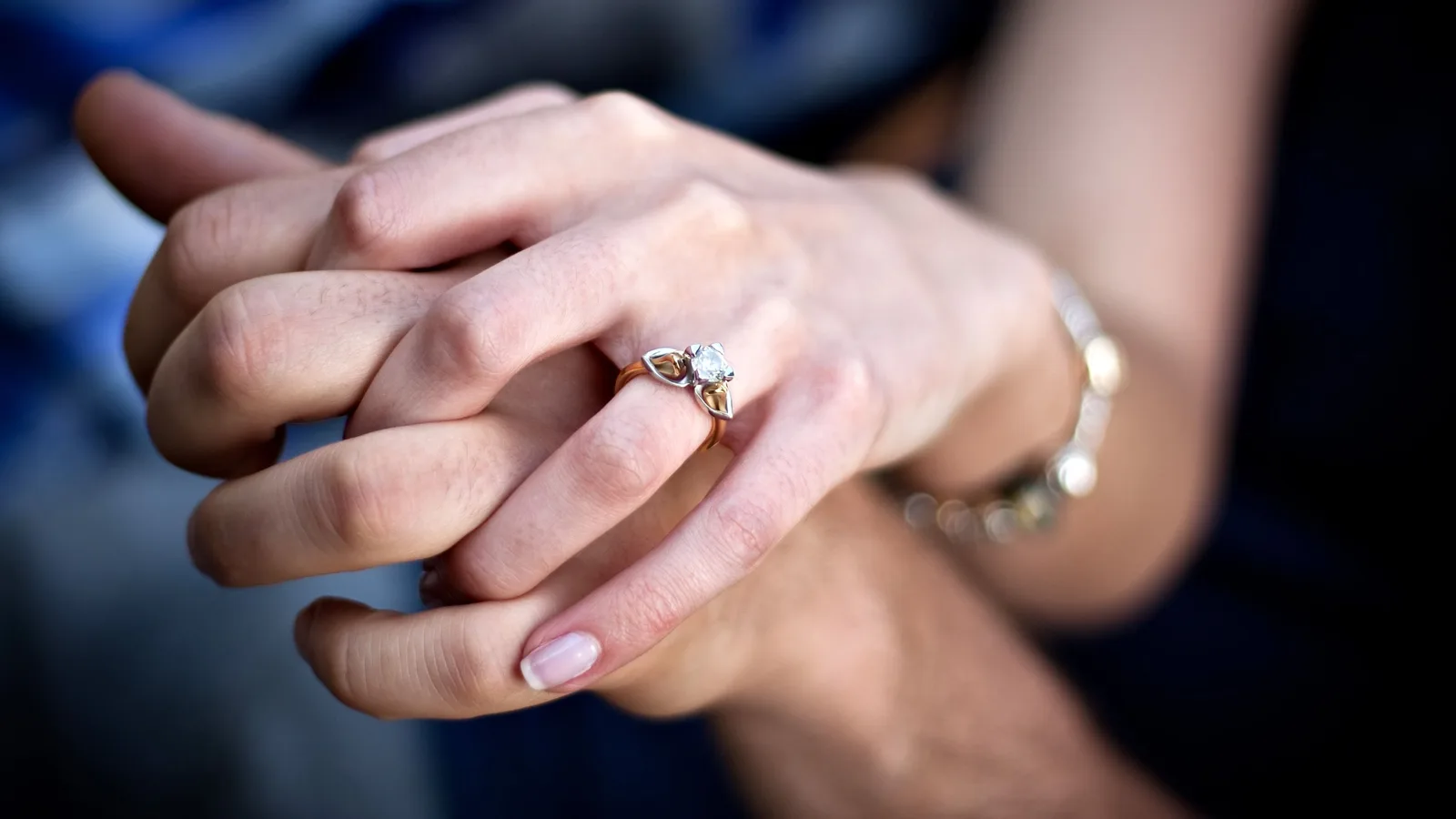
Typical gold buyers: someone choosing a wedding band or engagement ring, someone who wants one necklace or pair of hoops they never take off, or someone buying a piece to hand down. Warm-toned skin and a preference for classic styles push most people towards yellow gold.
Choose silver jewellery if…
Why silver earns its place
- A far lower price per piece, so you can own more and change styles with the season
- The brightest, coolest white of any metal — hard to imitate convincingly in gold
- Perfect for statement earrings and chunky chains where weight would be unaffordable in gold
- Solid sterling keeps a small melt value, unlike plated costume jewellery
Where silver falls short
- It tarnishes, so it needs polishing and careful storage
- Softer metal: thin chains, thin bands and hollow designs deform
- Not the right choice for a ring worn every day for decades
- Plated and vermeil versions eventually wear through at the high-friction points
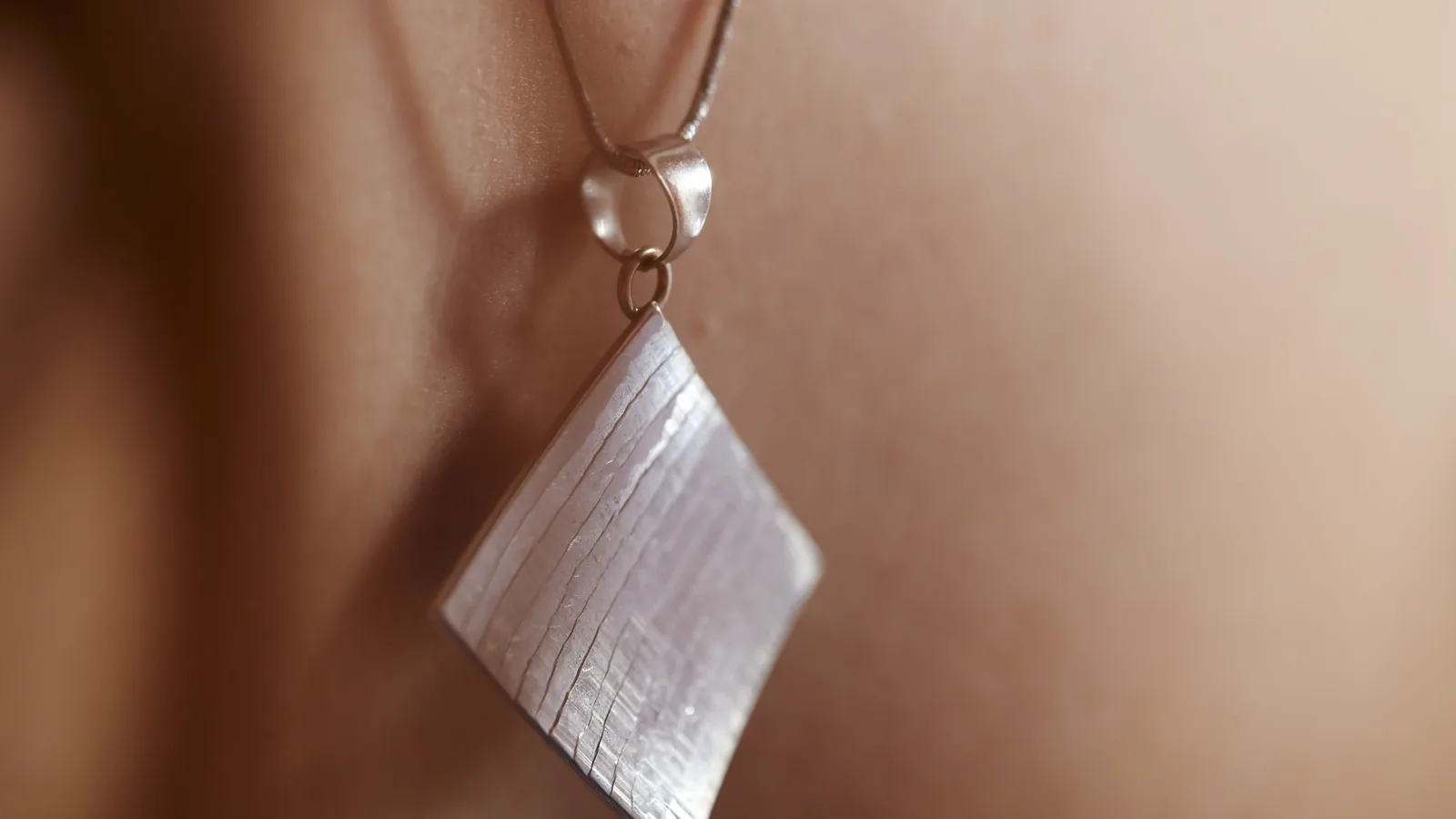
Typical silver buyers: anyone building a jewellery wardrobe on a budget, people who like switching chains and hoops weekly, and anyone who prefers cool white tones against their skin. It is also the sensible choice for a first piercing change or a gift where you are guessing the size.
Before you buy: a five-point check
- Look for the hallmark. Solid gold and sterling silver sold in the UK carry a fineness mark and an assay office symbol. No hallmark, no certainty.
- Check the clasp and posts. These fail before the metal does. A lobster clasp on a heavy chain, or a thin post on a heavy earring, is a false economy.
- Ask what the plating is on. On plated pieces, the colour of the metal underneath shows through as it wears — a brass base looks worse than a silver one.
- Test the weight in your hand. A silver chain that feels almost weightless will kink and snap. Solid gold should feel denser still.
- Think about your routine. If you swim, shower or apply perfume while wearing jewellery, silver will tarnish faster and plated pieces will wear out sooner.
The final verdict
Gold wins this comparison for the piece you will actually wear, and it is not close on the two things that matter most over time: it doesn't tarnish, and its everyday alloys hold their shape. Buy gold for rings, wedding bands, chains and anything with a stone in it.
Silver wins on everything else that makes jewellery fun — price, colour, quantity and the freedom to try a bold design without committing. Buy silver for earrings, layering chains and pieces you rotate.
If you can only own one thing, make it a solid gold piece you never take off, and let silver cover the rest of the drawer.
Frequently asked questions
Is 9ct gold real gold?
Yes. 9ct gold is 37.5% pure gold mixed with other metals for hardness, and it is hallmarked 375 in the UK. It is solid gold — not plating — which is why it is the most affordable karat sold here.
Why does silver jewellery turn my skin green?
The green mark comes from copper in the silver alloy reacting with sweat and acids on your skin. It is harmless and washes off with soap. It is most common with plated or low-grade silver, not solid sterling.
Can I shower or swim in silver jewellery?
Take it off first. Soap, shampoo, chlorine and hot water all speed up tarnish, and a chain left wet in a steamy bathroom will darken within days. Gold copes better, though perfume and chlorine are still best kept off it.
Is white gold the same as silver?
No. White gold is gold alloyed with white metals and finished with rhodium plating, so it costs and behaves like gold. Silver is a different metal entirely: brighter white, softer, and it tarnishes whereas white gold does not.
Which is better for a wedding ring?
Gold, for most people. A 9ct, 14ct or 18ct band will hold its shape over decades of daily wear, while a sterling silver band thins and deforms. Silver is a reasonable choice only for a ring worn occasionally.