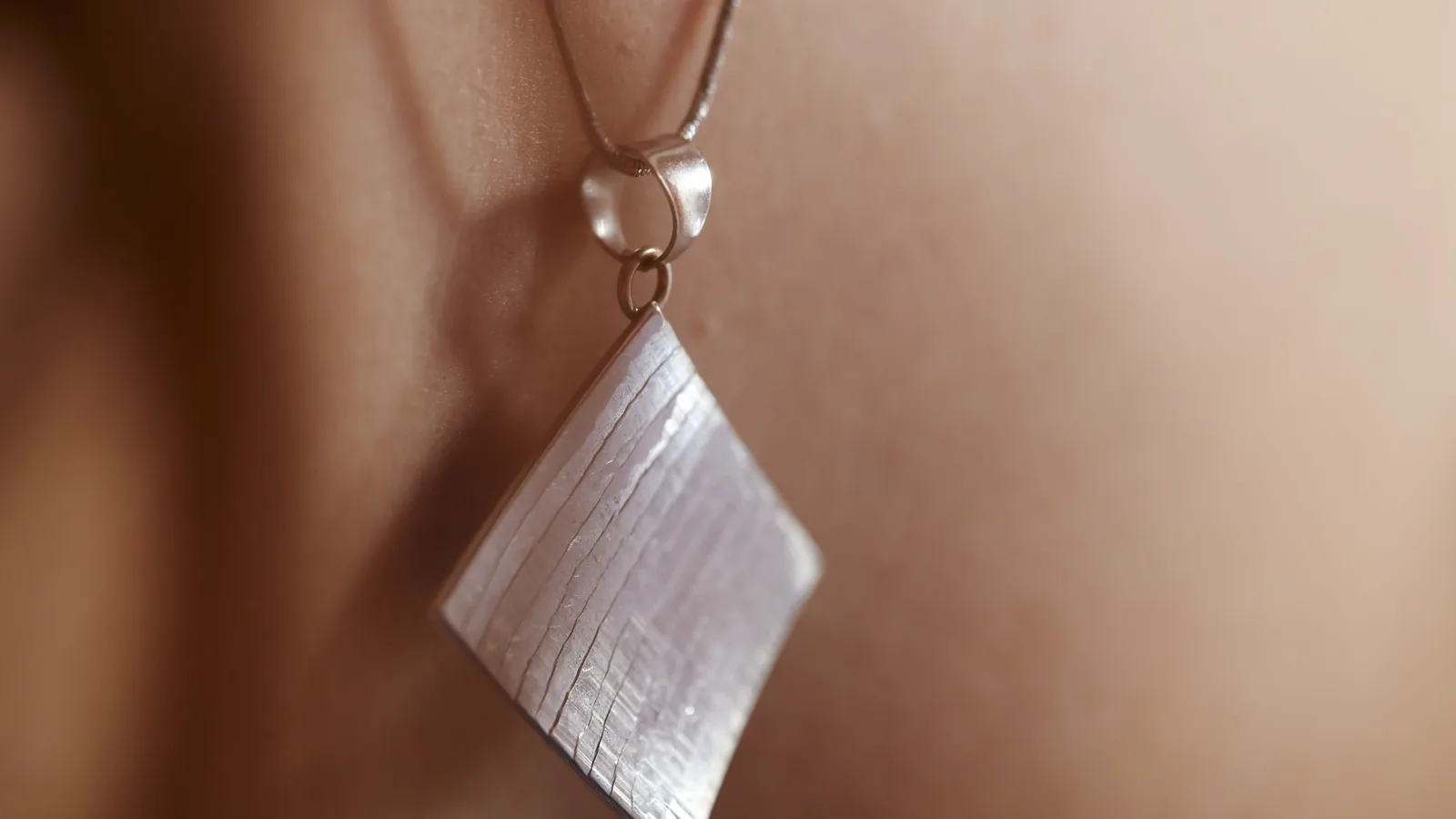
Platinum vs Silver 2026: Which Is Better for Everyday Jewellery?
Platinum vs silver compared for UK buyers: durability, tarnish, cost, sensitive skin and styling, with a clear overall winner for everyday jewellery.
Platinum vs silver at a glance
Platinum and silver are both precious metals, but they are not interchangeable. Silver is the practical choice for most everyday jewellery; platinum is the long-life choice. The sections below show where each wins, so you can match the metal to the piece and how you will wear it.
What you are actually buying
Platinum jewellery sold in the UK is usually 950 platinum, meaning 95% platinum. Sterling silver is 925 silver, or 92.5% silver, usually alloyed with copper. Both should carry a UK hallmark when sold as precious metal jewellery, so check the mark before you buy. Platinum is naturally white and does not need plating to keep its colour. Silver is brighter white when polished but will tarnish over time.
- Typical platinum purity
- 950 — 95% platinum, often alloyed with other platinum-group metals.
- Typical silver purity
- 925 sterling — 92.5% silver, usually alloyed with copper.
- Natural colour
- Platinum: cool grey-white. Silver: bright white that can darken with tarnish.
- Weight
- Platinum is denser and feels noticeably heavier; silver feels lighter for the same design.
- Hallmark check
- Look for 950 or Pt950 on platinum, and 925 on sterling silver.
How platinum and silver compare
| Dimension | Platinum | Silver |
|---|---|---|
| Durability — winner: platinum | Dense and wear-resistant. Scratches tend to move the metal rather than remove it, so a platinum ring can last for decades. | Softer and more prone to scratches, dents and thinning, especially on rings worn daily. |
| Tarnish — winner: platinum | Does not tarnish. Warm soapy water and a soft cloth keep it looking white. | Tarnishes to yellow, brown or black over time; needs polishing and anti-tarnish storage. |
| Upfront cost — winner: silver | Significantly more expensive because platinum is rarer, denser and more demanding to work. | Much more affordable, which makes it easier to buy several pieces or follow trends. |
| Sensitive skin — winner: platinum | Usually the safer choice for reactive skin; platinum alloys are generally well tolerated. | Often fine, but alloy metals or plated finishes can irritate some wearers. |
| Weight and feel — winner: platinum | Noticeably heavier and denser in the hand; it feels substantial for its size. | Light and comfortable, particularly for earrings and fine chains. |
| Everyday versatility — winner: silver | Best for fine, forever pieces, engagement-style rings and understated settings. | A wider choice of casual, layered and trend-led designs at accessible prices. |
| Care — winner: platinum | Low maintenance: clean with warm soapy water and dry with a soft cloth. | Needs regular polishing and careful storage to keep tarnish at bay. |
Cost and value: what you pay for
Platinum's higher price is not just marketing. It is rarer, denser and more difficult to work, so a platinum ring uses more metal by weight than the same ring in silver. That makes it the more expensive choice upfront. It does not follow that platinum is an investment: resale value depends on the maker, design and market, and you should buy it because you want to wear it.
Silver is the better value for occasional pieces, layering and styles you may tire of. Platinum makes more sense when the cost is spread over years of daily wear.
Look and styling
Platinum has a soft, cool grey-white tone. It looks understated next to the bright white of polished silver, which has a more mirror-like finish when new. Neither is so warm or cool that it limits who can wear it; choose by the piece and your other jewellery.
Silver wins for experimentation: it is easy to buy a delicate chain, hoop or stacking ring and change it with your wardrobe. Platinum wins for a signature piece you want to look quiet and considered rather than shiny.
Sensitive skin and allergies
Platinum is the stronger choice if your skin reacts to cheaper metals. It is usually alloyed with other platinum-group metals, and platinum jewellery is generally well tolerated. Sterling silver is also a good option for many people, but the 7.5% alloy — often copper — and any plating can be the culprit if a piece irritates you.
If you have a diagnosed nickel allergy, ask the maker for the alloy and avoid unclear 'silver-tone' pieces. No metal is guaranteed reaction-free for every wearer.
Care and maintenance
Platinum is the easier metal to live with. Clean it with warm water, mild soap and a soft brush, then dry with a lint-free cloth. Silver needs more attention: store it in an anti-tarnish pouch or a dry jewellery box, keep it away from perfume, hairspray and chlorinated water, and polish with a silver cloth when it dulls. Remove both metals for gym sessions, swimming, cleaning and gardening.
Who should choose platinum
Choose platinum if:
- You are buying an engagement ring or a ring you expect to wear every day for years.
- Your skin reacts to silver or you want the lowest-risk metal for sensitivity.
- You prefer a heavier, denser feel and a cool white tone.
- You would rather clean a piece occasionally than polish out tarnish.
- You are buying one considered piece instead of several trend-led ones.
Who should choose silver
Choose silver if:
- You want the best look for your budget and the freedom to buy more than one piece.
- You like layering chains, hoops and stacking rings, and changing jewellery with outfits.
- You prefer a lighter feel for earrings and fine chains.
- You do not mind storing pieces carefully and polishing now and then.
- You want to test a style before committing to a more expensive metal.
Final verdict
For most UK shoppers, silver is the overall winner: it costs less, offers more choice and is comfortable for everyday styling. Platinum is the better metal for a ring you will wear daily for decades, for sensitive skin and for anyone who wants a low-maintenance, weighty piece. If you are choosing one piece to last, buy platinum; if you are building a wearable collection, buy silver.
Platinum vs silver: common questions
Does platinum scratch?
Yes, but platinum is dense and wear-resistant. Scratches tend to move the metal rather than remove it, creating a patina that many people like. A jeweller can polish it if you prefer a fresh finish.
Can I wear sterling silver in the shower?
It is not ideal. Repeated exposure to soap, shampoo and hot water can dull the surface and speed up tarnish; chlorine is worse. Remove it for showers and swimming, and dry it fully if it gets wet.
How can I tell platinum from silver?
Check the hallmark. Platinum is usually marked 950 or Pt950; sterling silver is marked 925. Platinum also feels noticeably heavier for the same size, but the hallmark is the reliable check.
Is platinum heavier than silver?
Yes. Platinum is denser, so the same design usually feels noticeably heavier in platinum than in sterling silver. That weight is one of the quickest ways to tell them apart in the hand.
Does silver turn skin green?
The green mark is usually silver tarnish reacting with acids on the skin, not a sign of harm. Clean the piece, keep it dry and store it in an anti-tarnish pouch to reduce it.